Seoul Travel Guide 2026
A calm, honest walk through the city’s quieter corners and busiest favorites — written for travelers who like to wander slowly and eat well.
TABLE OF CONTENTS
1. Why Seoul Feels Different in 2026
2. Old Seoul, Slow Mornings: Hanok Villages and Palaces
3. The Han River and Seoul’s New Green Spaces
4. Markets, Alleys, and the Food That Tells a Story
5. Neighborhoods Worth a Whole Afternoon
6. Getting Around Without Stress
7. Small Habits That Make a Big Difference
8. A Gentle Closing Thought
Why Seoul Feels Different in 2026
Seoul has always been a city of contrasts — glass towers standing right beside centuries-old gates, subway announcements echoing through alleys that still smell like grilled fish and roasted chestnuts. But if you ask people who have visited the city more than once, many will say something has quietly shifted. The pace feels a little gentler. More small cafes have opened in residential neighborhoods that used to be purely local. More palaces and historic sites now offer evening hours, letting visitors see lanterns glow against centuries-old rooftops.
This guide is not a list of “top ten must-see spots” that you have probably already read a dozen times. Instead, think of it as a friend’s notebook — a collection of places that reward patience, neighborhoods that feel like real life rather than a postcard, and small details that make a trip to Seoul memorable instead of just busy.
If you are the kind of traveler who enjoys getting slightly lost, who likes to sit down with a warm drink and watch a street for ten minutes before deciding where to go next, this city will treat you very kindly. And if you only have a few days, do not worry — everything here can be enjoyed in small doses too.
Old Seoul, Slow Mornings: Hanok Villages and Palaces
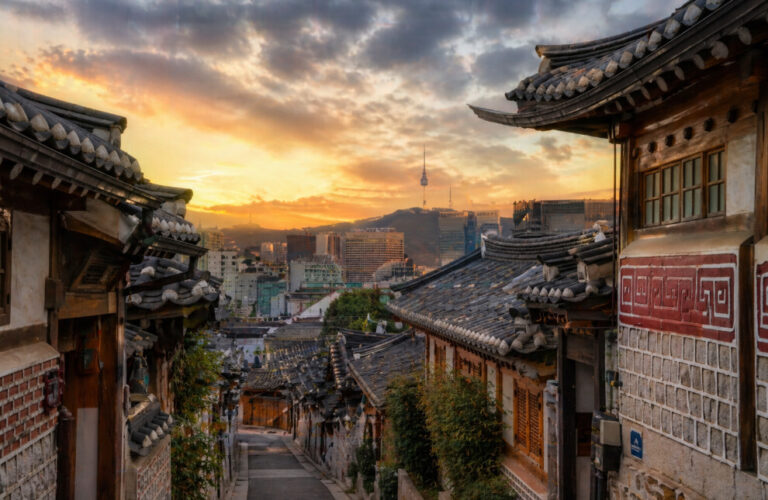
Mornings are the best time to visit Seoul’s traditional neighborhoods, especially the hanok villages — clusters of low wooden houses with curved tile roofs that have survived wars, modernization, and decades of city planning debates. Arrive before nine in the morning and you will find narrow stone lanes almost empty, the morning light hitting the rooftops at an angle that makes even a quick photo look like something from a painting.
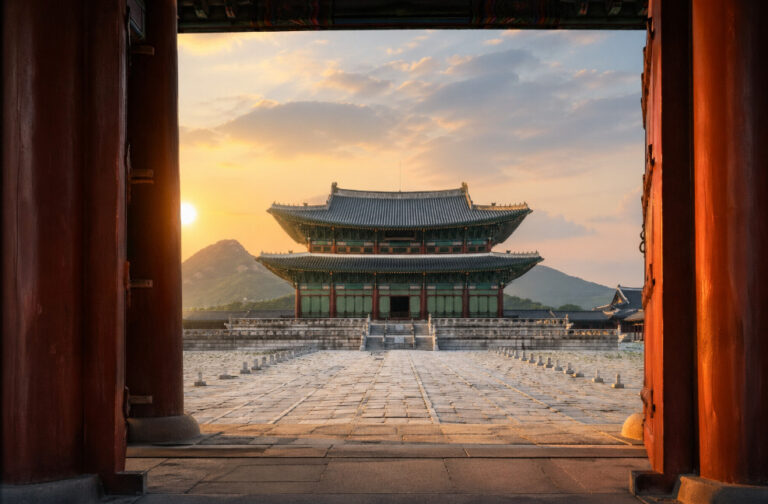
Nearby palace grounds open early as well, and walking through their wide courtyards before the crowds arrive gives a completely different feeling than visiting at midday. The buildings themselves tell a long story — kings, fires, rebuilding, and the slow return of traditions that were nearly lost. You do not need to know all the history to feel something standing in those courtyards. The scale of the architecture, the quiet, and the mountains visible just behind the rooftops do most of the talking.
A small tip travelers often appreciate: renting a hanbok, the traditional Korean outfit, for a few hours near these palace areas is inexpensive and often includes free entry to nearby historic sites. It also makes for naturally good photos without needing any editing.
The Han River and Seoul’s New Green Spaces
The Han River cuts through the middle of Seoul, and over the past several years, the parks along its banks have become some of the most loved spaces in the entire city — not just for tourists, but for residents who come after work to sit on the grass, share food, and watch the sun go down behind the bridges.
What makes these riverside parks special is how unstructured they feel. There is no entrance fee, no required activity. People bring their own small picnic mats, order delivery food directly to the park benches, fly kites, or simply lie down and read. In the evening, the bridges light up one by one, and on certain nights there are fountain shows synced with music and color.
If your trip happens to land on a weekend with good weather, even an hour here in the late afternoon is worth rearranging your schedule for. Bring a light jacket even in warmer months, since the breeze near the water can be cooler than you expect.
Markets, Alleys, and the Food That Tells a Story
No conversation about Seoul is complete without food, but instead of repeating the usual list of dishes, it helps to think about food here as a way of understanding the city’s rhythm. Early morning markets sell vegetables, dried fish, and rice cakes to grandmothers doing their daily shopping. By midday, the same alleys fill with workers grabbing a quick, hot bowl of something between meetings. By night, the same streets transform again — plastic stools come out, grills are lit, and the air fills with the sound of conversation and sizzling food.
Street food stalls are everywhere, but the best ones are often the ones with a small line of local office workers rather than other tourists. Items like skewered rice cakes in a slightly sweet and spicy sauce, hand-cut noodle soup, and savory pancakes filled with seafood or vegetables are common, affordable, and genuinely satisfying — even for picky eaters.
For something a little more sit-down, look for small restaurants tucked into basements or second floors of older buildings. These places often do not have English signs, but a simple smile, pointing at what the table next to you is eating, and a willingness to try something new usually leads to one of the best meals of the trip.
Neighborhoods Worth a Whole Afternoon
Rather than rushing between famous landmarks, consider picking one neighborhood and giving it your full attention for an afternoon. Areas built on hillsides offer winding staircases, small murals, and rooftop cafes with views over the rest of the city — perfect for slow exploration with a camera in hand.
University districts have a completely different energy: bookstores, affordable fashion, late-night snack stalls, and a youthful buzz that makes them fun to wander through even if you are not shopping for anything in particular. Meanwhile, quieter residential areas dotted with independent coffee roasters and bakeries offer a glimpse of everyday life — the kind of place where you might end up chatting with a barista about their favorite hiking trail.
The trick is not trying to see everything. Pick a direction, walk for twenty minutes, and stop wherever looks interesting. Seoul rewards this kind of aimless wandering more than almost any other city in Asia.
Getting Around Without Stress
The subway system is, without exaggeration, one of the best in the world for visitors. Lines are color-coded, signs are in English as well as Korean, and trains run frequently and on time. A rechargeable transit card, available at any convenience store, works for subways, buses, and even some taxis, and makes moving around effortless.
Walking is also extremely safe, even late at night, and sidewalks in most central areas are wide and well lit. If you do need a taxi, ride-hailing apps work well and remove any language barrier, since the destination is set digitally before the driver even sees you.
One small piece of advice: download an offline map or translation app before you arrive. Wi-Fi is widely available, but having something that works without a connection saves a lot of stress in quieter alleys where signal can be weaker.
Small Habits That Make a Big Difference
A few small habits go a long way in Seoul. Removing shoes when entering certain restaurants, traditional cafes, or guesthouses is common and expected — look for shoe racks near the entrance. Tipping is not customary and is rarely expected anywhere, which can feel like a relief for many travelers.
Recycling and trash separation are taken seriously, even in public spaces, so it is worth a quick look at how locals sort their waste before tossing something in a bin. And if you are invited to share a meal with someone, waiting for the eldest person at the table to start eating first is a small gesture that is always appreciated.
None of these things are strict rules for visitors — locals are generally very forgiving and welcoming toward tourists who make an honest effort. But noticing these small details often makes a trip feel less like sightseeing and more like actually experiencing the place.
A Gentle Closing Thought
Seoul in 2026 is a city that rewards curiosity more than checklists. The famous landmarks are famous for good reason, and they are absolutely worth visiting — but some of the most memorable moments often happen in between: a quiet alley at sunrise, a bowl of soup shared with strangers at a counter, the sound of the river at night.
Whatever your pace, whatever your budget, there is a version of this city that fits you. Take your time, stay curious, and let a few plans change along the way. That is usually when the best stories begin.
Wishing you a calm, warm, and unforgettable journey through Seoul.