There is a part of Seoul that does not feel like a shopping district. It feels more like a live experiment, one where beauty brands, curious travelers, and creative locals all show up at the same time to see what happens next. That place is Seongsu-dong, and in 2026 it has become the single most interesting neighborhood in Korea for anyone who cares about K-beauty.
This guide was put together for international readers who have heard the name Seongsu but are not quite sure what they would actually find there. The answer is more layered than you might expect.
- What Seongsu-dong actually is
- Why 2026 feels like a turning point
- The brands and spaces that define the area
- Pop-up culture — the heartbeat of the district
- K-beauty trends you can see in real life here
- How to visit without feeling overwhelmed
1. What Seongsu-dong actually is
Seongsu-dong sits in the eastern part of Seoul, just across the Han River from Gangnam. For a long time it was a quiet industrial area known mostly for artisan shoe workshops and small-scale factories. Those buildings are still there, but now they share the block with flagship beauty stores, concept cafes, and temporary event spaces that appear and disappear on a weekly basis.
That combination of old structure and new energy is exactly what gives the neighborhood its personality. You can walk out of a polished skincare brand space, turn a corner, and find yourself looking at a 1970s concrete wall that nobody has touched. It is Seoul’s version of a rough draft that keeps getting revised.
2. Why 2026 feels like a turning point
The shift in Seongsu’s status is not just something locals talk about. The numbers back it up in a concrete way. Foot traffic near Seongsu Station reached an average of 47,246 visitors per day in the fourth quarter of last year, a 10.7 percent increase from early in the year. What makes that figure more striking is that foot traffic across Seoul as a whole was declining during the same period.
The competition for space has pushed daily rents near the station to around 30 million Korean won for top locations, with spots along Yeonmujang-gil reaching roughly 20 million won per day. Brands still queue up, though, because Seongsu does something that a traditional advertisement cannot: it puts a product in front of a curious person who already chose to be there.
The district has effectively overtaken both Myeongdong and Gangnam as the neighborhood most associated with fresh K-beauty activity, at least in the eyes of the brands that measure these things closely.
3. The brands and spaces that define the area
Seongsu has a concentration of beauty presence that would be unusual in most cities. Olive Young, APR, Amorepacific, Torriden, Banila Co., and Amuse are all established here, and the fashion platform Musinsa operates twelve stores in the district. That density means a two-hour walk can take you through a full range of Korean beauty culture, from established conglomerates to tiny indie labels.
Olive Young N Seongsu
The four-story flagship that opened in late 2024 posted a 30 percent year-on-year sales increase in early 2026 and became the company’s highest-grossing domestic location. It works because it feels like a curated beauty library rather than a pharmacy shelf.
Musinsa Megastore
When it opened, the store drew around 42,000 visitors on its first day and generated approximately 900 million won in sales over the opening weekend. Beauty now sits alongside fashion here in a way that shows how the two categories have merged for younger Korean shoppers.
These are not just big stores. They are proof that Seongsu has moved from “interesting district” to “necessary destination” for brands that want to be taken seriously in the Korean market.
4. Pop-up culture — the heartbeat of the district
If the flagship stores are the bones of Seongsu, the pop-ups are its pulse. New temporary activations appear almost every week, and they cover a striking range. In recent 2026 schedules, international names like YSL Beauty and La Roche-Posay have appeared alongside Korean indie brands like TOCOBO and smaller skincare startups that most foreign visitors would not know yet.
The format works for everyone involved. Brands get concentrated attention in a neighborhood known for being selective. Visitors get something genuinely time-limited — a reason to visit this week rather than eventually. And the neighborhood itself stays fresh because the offer keeps changing.
Some visitors have started planning entire Seoul trips around Seongsu pop-up dates, which says something about how seriously both locals and travelers now treat these temporary spaces.
5. K-beauty trends you can see in real life here
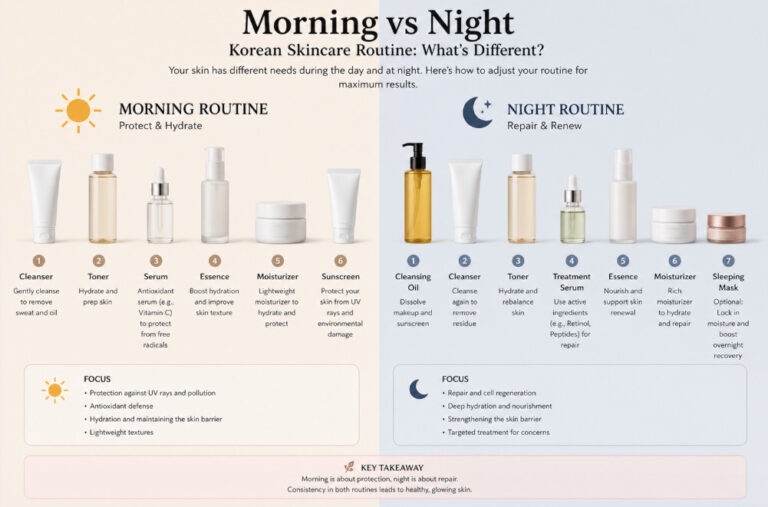
Industry analysis for 2026 points to four directions shaping Korean beauty: faster launches, deeper technical storytelling around ingredients, expansion into lifestyle and wellness, and a growing push toward more sustainable packaging and formulas. Seongsu makes these trends visible in a way that a product page or trade report never quite manages.
When you walk into a brand space there, you will notice that conversations about products have changed. Store staff are increasingly trained to explain dermatological science rather than simply describe scent or texture. A moisturizer is introduced with reference to its barrier-repair mechanism. A sunscreen comes with an explanation of its photostability. Brands want to be trusted, not just liked.
Packaging has also become part of the message. Several brands in the district now display refillable systems or use material choices as a talking point. It is early-stage, but the direction is clear enough to notice.
6. How to visit without feeling overwhelmed
The biggest mistake first-time visitors make is trying to see everything. Seongsu rewards slowness. Pick two or three flagship stores, leave at least an hour for walking without a plan, and treat any pop-up you happen to pass as a bonus rather than a goal.
Yeonmujang-gil is the main artery for beauty and fashion spaces. The streets immediately around Seongsu Station have the highest concentration of experiences within walking distance. If you have a full day, the area east of the station reveals a quieter, more local version of the neighborhood that feels meaningfully different from the busier main strip.
Come on a weekday if you can. Weekend foot traffic in 2026 has become genuinely dense around the most popular spots, which changes the feeling of the place and makes it harder to spend real time inside stores without crowds.
Above all, let the neighborhood surprise you. Seongsu became interesting precisely because it was not designed to be a destination from the start. That accidental quality is still there if you are paying attention.
Seongsu-dong in 2026 is not a polished tourist attraction. It is a neighborhood in motion, somewhere between what Seoul was and what it is becoming. K-beauty is part of the story, but so are architecture, food, craft, and the particular energy of a place that knows it is being watched but has not quite figured out how to perform for the audience yet. That tension is what makes it worth visiting.
Guide written May 2026. Pop-up schedules and brand presences change frequently. Verify specific events before visiting.